














Friendly, Professional Companionship Care in Wiltshire offering emotional support to help reduce loneliness.
For many living far away from loved ones, it can be very difficult to help an older relative or friend.
A health condition or increasingly limited mobility can increase isolation for vulnerable people and reliable care can offer reassurance and safety that your loved one is receiving the support they need. Our Saxon Care Assistants can visit once a week, or up to several visits a day throughout the week, depending on your loved one’s needs.




Benefits of Companionship Care
Reduced Loneliness
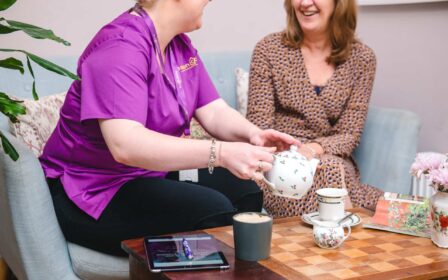
Companionship care reduces loneliness, supports emotional wellbeing, encourages social connection, and helps individuals stay active and independent through friendly conversation, shared activities, and reliable, uplifting everyday support.
Improved Emotional Wellbeing
By offering empathy, reassurance, and consistent presence, companionship care boosts emotional wellbeing. It supports confidence, reduces anxiety, and helps individuals maintain a positive outlook through genuine human connection.
Increased Independence
Companionship care encourages independence by supporting daily routines, motivation, and confidence. With gentle assistance and encouragement, individuals remain active, capable, and more engaged in the activities they enjoy.
Support With Daily Tasks
Carers offer helpful support with everyday tasks like errands, light housework, and appointments. This practical assistance reduces stress, helps maintain routines, and allows individuals to live more comfortably at home.
Enhanced Safety and Reassurance
Companionship care motivates individuals to participate in hobbies, walks, and social activities. Staying engaged boosts mental stimulation, physical activity, and overall quality of life.
How Care Assistants Can Help
At Saxon Care, our Care Assistants can carry out a number of different activities when they visit you, whether it be trips to the shops or helping with hoovering followed by a cup of tea and a chat, to medication and complex care; we are here to help.


- Meaningful conversation and social interaction to reduce loneliness and lift wellbeing.
- Support with hobbies and activities, encouraging clients to stay engaged and active.
- Friendly company, offering reassurance and confidence.
- Accompaniment to appointments, social groups, walks and local outings.
- Help maintain daily routines, bringing stability, comfort, and structure to each day.
- Emotional support and reassurance, especially during moments of worry or low mood.
- Light household help, such as tidying, organising, or preparing simple meals together.
- Building trusted relationships that promote confidence and a positive outlook
- Monitoring wellbeing, providing reassurance to families through regular updates
More information and FAQs
Companionship care provides friendly, reliable support to help people remain independent, engaged and comfortable in their own homes. It focuses on social interaction, emotional wellbeing and assistance with everyday activities, helping to reduce loneliness and improve quality of life.
At Saxon Care, companionship care can include:
- Friendly conversation and social interaction
- Sharing hobbies and interests
- Going for walks and outings
- Help with shopping and errands
- Accompaniment to appointments
- Support attending social or community activities
- Light household tasks and meal preparation
- Providing reassurance and regular wellbeing checks
Our carers take the time to build meaningful relationships and tailor each visit to the individual’s needs, preferences and routine. Whether you need a few hours of support each week or more regular visits, companionship care is designed to provide comfort, confidence and a trusted friendly face when it matters most.
Home care may be the right choice if you or your loved one want to stay independent and safe at home but need extra support with daily tasks, health needs, or companionship. Many families choose home care because it offers flexible, personalised support without the need to move into a residential care home.
You might benefit from home care if you are experiencing:
- Difficulties with daily tasks such as washing, dressing, preparing meals, or keeping on top of the housework.
- Mobility challenges or a higher risk of falls.
- Loneliness or isolation, and would benefit from regular companionship.
- Health conditions like dementia, Parkinson’s, or long‑term illness that require routine support.
- A recent hospital stay, and need help while recovering at home.
- Family carers who need respite, support, or a break.
Home care allows you to stay in familiar surroundings, maintain your routines, and receive one‑to‑one support from trained carers who get to know you well. Support is flexible, meaning you can start with just a few hours a week and increase or reduce help as your needs change.
If you’re unsure where to begin, Saxon Care offers a free, no‑obligation assessment to help you understand what type of support might work best.
What is the difference between a regulated and a non-regulated care provider?
In England, the main difference is whether the provider delivers personal care, which is regulated by the Care Quality Commission (CQC).
A regulated care provider:
- Is registered and inspected by the CQC.
- Can provide personal care, such as:
- Help with washing, bathing and dressing
- Support with toileting and continence care
- Assistance with eating and drinking
- Medication support (where appropriate)
- Mobility and transfer assistance
- Must meet strict standards for safety, quality and care delivery.
A non-regulated care provider:
- Does not provide personal care.
- Is not required to be registered with the CQC if only offering companion or support services.
- Typically provides:
- Companionship and social visits
- Shopping and errands
- Accompaniment to appointments
- Light housekeeping
- Meal preparation
- Help with staying active and connected to the community
How does this apply to Saxon Care?
Saxon Care is a CQC-regulated care provider, which means we can offer both companionship services and personal care support. If your needs change over time, we can adapt your care plan to provide the right level of assistance while maintaining continuity and trusted relationships with your care team.
If you’re looking for an alternative to moving into a care home, home care can give you the support you need while staying in the comfort of your own home.
Many people choose home care because it allows them to remain independent, keep their routines, and stay close to loved ones while still receiving professional, flexible support.
Home care may be a good option if you want to:
- Stay in familiar surroundings
- Maintain independence and daily routines
- Receive tailored, one‑to‑one support
- Avoid the disruption of moving
- Choose when and how your care is delivered
- Keep family and pets close
- Access flexible care without committing to residential living
Home care is a supportive, personalised alternative for those who don’t feel ready or simply don’t want to move into a care home.
Starting home care for the first time can feel overwhelming and it’s completely normal to worry about having someone new in your home. We understand how personal that is.
That’s why we make the process gentle, supportive, and at your pace.
Here’s how it works:
- Friendly, no‑pressure assessment
We start with a simple chat to understand what you need and answer any questions, no commitment required. - A home visit when you feel ready
A member of our team meets you in your home so you can get to know us before any care begins. - You help choose the right carer
We match you with carers based on personality, experience, and what makes you feel most comfortable. - Clear, personalised care plan
Together, we agree on the type of support you want, from a little help now and then, to more regular visits. - Gradual start at your pace
You can begin with short visits and build up only if and when you feel comfortable. - Consistent carers you can trust
You’ll see the same small team regularly, helping you build confidence and trust over time.
Home care is designed to feel safe, familiar, and respectful, supporting you in your own home with people you genuinely feel comfortable with.
How it works

Speak to our team
Contact our team to talk through your needs and options.

Free care assessment
Our home care specialist will provide a free consultation to create your personally tailored care plan.

Get the care you need
Your personal care plan will be delivered by our care specialists.

Our partners